
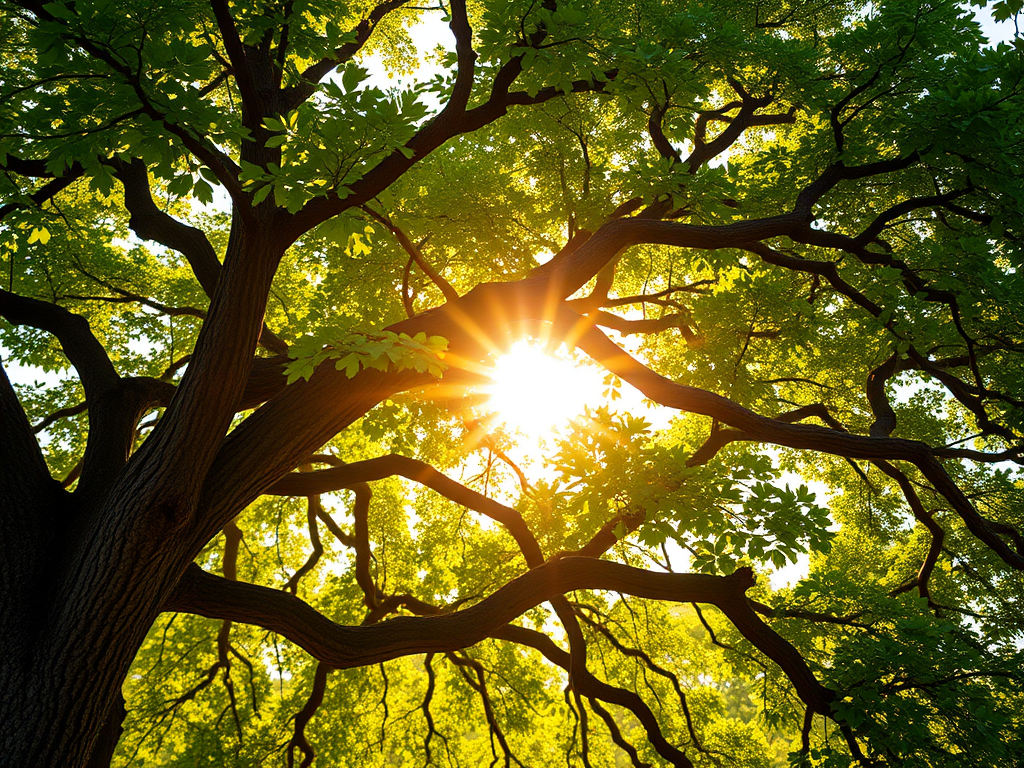
Tree maintenance is essential for preserving not only the trees themselves but also the overall well-being and appeal of our personal and community landscapes. Here’s an in-depth look at the range of benefits that regular tree maintenance provides:
Enhanced Tree Health
Proper tree care—such as pruning, thinning, and treating diseases—removes damaged or diseased branches, which allows the tree to direct energy toward healthy growth. Regular maintenance improves air circulation and sunlight exposure inside the canopy, boosting the tree’s resilience and overall vitality.
Improved Safety
Overgrown or damaged branches can pose serious hazards, especially during storms or high winds. Routine care helps eliminate dead limbs and reduces the risk of branches falling on people, property, or power lines. This proactive approach minimizes potential injuries and costly property damage.
Boosted Aesthetic and Economic Value
Well-maintained trees significantly enhance the visual appeal of both residential and public spaces. This curb appeal not only creates a more pleasant environment but can also elevate property values. Drawn to natural beauty, prospective buyers and visitors often appreciate landscapes that feature healthy, orderly trees.
Environmental Benefits
Healthy trees contribute to cleaner air and a balanced ecosystem. They absorb carbon dioxide, filter particulate matter, and produce oxygen, contributing to mitigation of urban pollution. Additionally, robust tree canopies reduce energy costs by providing natural shade that cools nearby buildings, while their roots help control soil erosion and manage stormwater runoff.
Prevention of Pests and Diseases
Regular inspections and timely interventions can identify pest infestations and disease outbreaks before they spread. By pruning afflicted areas and treating infections early, tree maintenance helps protect not only the individual tree but also the broader landscape from becoming a haven for harmful pathogens or pests.
Long-Term Cost Savings
Investing in routine tree care can preempt major hazards that might require expensive emergency interventions. Addressing the issues early on helps avoid the high costs associated with large-scale tree removal, replacement, or significant property repair following damage. In the long run, this preventive approach offers substantial economic benefits.


 Triad Tree Service